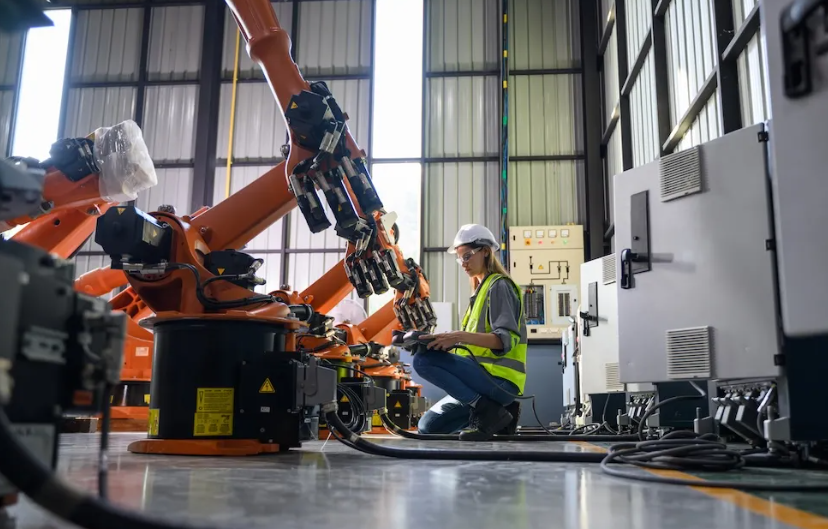
Automation represents a significant advancement in operational efficiency, relying on technology to minimize human involvement. It encompasses various forms, such as robotic process automation and intelligent automation, each serving distinct functions. The underlying mechanisms involve sophisticated algorithms and machine learning capabilities. Understanding these components and their applications is crucial for grasping the broader implications of automation in modern industries. What remains to be explored is how these systems adapt and evolve in response to changing demands.
Understanding Automation: Definition and Types
Automation, a pivotal element in modern technology, refers to the use of control systems to operate equipment with minimal human intervention.
It encompasses various types, including robotic process automation (RPA) and intelligent automation. RPA focuses on automating repetitive tasks, while intelligent automation integrates artificial intelligence to enhance decision-making.
Together, they enable organizations to optimize efficiency, reduce errors, and empower individuals to pursue more strategic endeavors.
See also: What Is 5G Technology and How Does It Work?
How Automation Works: The Technology Behind It
While various technologies underpin automation, control systems, sensors, and software algorithms are crucial for its functionality.
Machine learning enhances automation by enabling systems to learn from data, improving decision-making processes.
Robotic process automation streamlines repetitive tasks, increasing efficiency.
Together, these technologies create a robust framework, allowing for the seamless execution of complex operations while granting users enhanced autonomy and control over their environments.
Benefits of Automation in Various Industries
As industries increasingly adopt automated solutions, the benefits become evident across various sectors.
Cost savings manifest through reduced labor expenses and minimized errors. Simultaneously, productivity enhancement is achieved as processes become faster and more efficient.
Automated systems enable companies to allocate resources strategically, fostering innovation and growth. Ultimately, these advantages support a more agile and competitive market landscape, aligning with modern business aspirations.
Future Trends: The Evolving Landscape of Automation
The landscape of automation is poised for significant transformation as advancements in technology continue to reshape industry practices.
Robotic advancements and intelligent systems are at the forefront, enabling enhanced efficiency and adaptability.
As these technologies evolve, industries will increasingly adopt solutions that allow for greater autonomy, flexibility, and innovative applications, ultimately facilitating a shift towards more liberated operational paradigms and fostering a more dynamic economic environment.
Conclusion
In summary, automation represents a transformative shift in operational efficiency, subtly guiding industries toward enhanced productivity and cost-effectiveness. By embracing advanced technologies, organizations can discreetly navigate the complexities of modern processes, allowing human resources to focus on more strategic endeavors. As automation continues to evolve, it gently reshapes the workforce landscape, suggesting a future where collaboration between humans and machines fosters innovation and growth, ultimately leading to a more streamlined and adaptive operational environment.