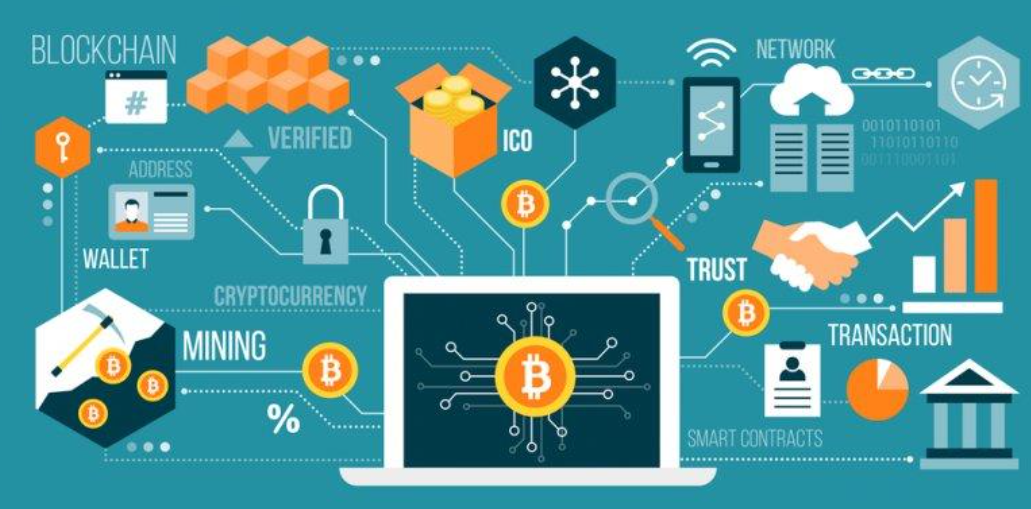
Blockchain technology serves as a decentralized digital ledger, recording transactions across a network of computers. This system enhances data integrity and security through cryptographic measures. Its design effectively eliminates single points of failure, allowing users to maintain greater control over their information. With inherent features such as transparency and trust, blockchain has the potential to transform various sectors. Understanding its mechanics and implications is crucial for grasping its evolving role in modern digital interactions.
The Fundamentals of Blockchain Technology
Although blockchain technology is often associated with cryptocurrencies, its underlying principles extend far beyond financial applications.
Central to its appeal is blockchain security, which ensures data integrity through cryptographic algorithms. Decentralized networks eliminate single points of failure, empowering users with autonomy and control over their information.
This innovative architecture fosters trust and transparency, making it a revolutionary tool for various industries seeking freedom from centralized authority.
How Blockchain Works
Blockchain operates through a distributed ledger system, where data is recorded in blocks that are linked chronologically.
Each transaction undergoes rigorous transaction validation, ensuring accuracy and security. Participants achieve blockchain consensus through various mechanisms, like proof of work or proof of stake, allowing decentralized agreement on the ledger’s state.
This structure empowers individuals by promoting transparency and reducing reliance on centralized authorities.
See also: What Is Big Data Technology?
Key Features and Benefits
The architecture of blockchain technology encompasses several key features that contribute to its growing adoption across various industries.
A decentralized ledger ensures transparency and security, minimizing the risk of fraud and data manipulation.
Additionally, the integration of smart contracts automates processes, enhancing efficiency and reducing reliance on intermediaries.
Together, these elements empower users with greater control and facilitate trust in digital transactions.
Real-World Applications of Blockchain
Numerous sectors are harnessing the potential of blockchain technology to enhance operations and foster innovation.
In supply chain management, blockchain ensures traceability and reduces fraud, while in digital identity, it provides secure, verifiable identities that empower individuals.
These applications exemplify blockchain’s capacity to streamline processes, enhance transparency, and facilitate trust, ultimately granting users greater control and autonomy over their data and interactions.
Conclusion
In conclusion, blockchain technology represents a paradigm shift akin to the invention of the printing press, transforming how information is recorded and shared. By decentralizing data management, it offers enhanced security, transparency, and autonomy for users across diverse sectors. The potential applications of blockchain are vast, promising to reshape industries from finance to supply chain logistics. As this technology continues to evolve, it may well redefine the very fabric of digital interaction and trust in the modern era.