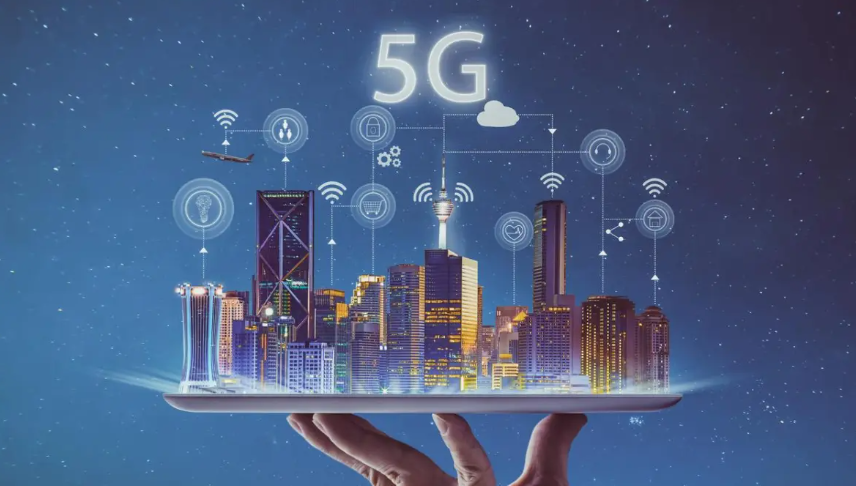
5G technology represents a significant evolution in wireless communication, characterized by enhanced speed, reduced latency, and improved connectivity. It utilizes a sophisticated network architecture that integrates low, mid, and high frequency spectrums, optimizing data transmission. This advancement not only enables seamless connectivity but also transforms various digital interactions. Understanding its operational mechanics and implications can reveal its potential impact across diverse industries and user experiences. What lies ahead in this technological landscape?
Key Features of 5G Technology
The advent of 5G technology introduces a significant leap in wireless communication capabilities, characterized by its enhanced speed, reduced latency, and increased connectivity.
These speed enhancements facilitate real-time data transfer and immersive experiences, while improved network efficiency optimizes resource allocation, ensuring robust performance even under high demand.
This convergence of advancements empowers users, fostering a landscape of unprecedented freedom and innovation in digital communication.
How 5G Operates
Numerous components work in concert to enable 5G technology’s operation, fundamentally transforming mobile communication.
Its advanced network architecture utilizes a mix of low, mid, and high frequency spectrum to optimize data transmission. This design allows for increased capacity, reduced latency, and improved reliability.
Impact on Users
As 5G technology continues to expand, users experience significant enhancements in mobile connectivity that reshape their digital interactions.
With accelerated data speeds and reduced latency, the user experience improves markedly, enabling seamless streaming and real-time applications.
However, this increased connectivity raises concerns regarding user privacy, necessitating robust security measures to safeguard personal data amidst the rapid technological advancements of 5G networks.
Applications Across Industries
5G technology is poised to transform various industries by enabling innovative applications that leverage its high-speed connectivity and low latency.
In smart cities, enhanced data exchange facilitates efficient traffic management and resource utilization.
Concurrently, healthcare innovations, such as remote surgeries and real-time patient monitoring, benefit from the technology’s capabilities, ultimately improving patient outcomes and operational efficiency in medical facilities.
Conclusion
In conclusion, 5G technology represents a fundamental shift in wireless communication, characterized by unparalleled speed and connectivity. Its advanced network architecture significantly enhances data transmission, facilitating innovative applications across various sectors. For instance, in healthcare, a hypothetical scenario involves remote surgeries conducted with real-time data transmission, enabling surgeons to operate on patients from miles away, thus illustrating 5G’s potential to revolutionize critical services and improve outcomes. This capability underscores the transformative impact of 5G on modern society.